
YouTube-view song profile
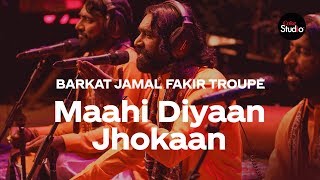
Maahi Diyaan Jhokaan
- Music Rank
- #677
- YouTube Views
- 2.55M
- Category
- Coke Studio

Watch Maahi Diyaan Jhokaan
Plays here via youtube-nocookie.com — nothing loads from YouTube until you press play.
The Story Behind Maahi Diyaan Jhokaan
Maahi Diyaan Jhokaan brought the Barkat Jamal Fakir Troupe's resonant Saraiki folk singing to the first episode of Coke Studio Pakistan's twelfth season in 2019. Produced by Rohail Hyatt, the performance draws on verses associated with Sufi poets Khush Khair Muhammad and Sachal Sarmast, using Heer and Ranjha as a bridge from earthly longing to devotion. The ensemble sings as a collective rather than centering one voice, giving the recurring appeal to the beloved the force of shared testimony. A breezy, jazz-tinged arrangement supports the troupe's earthy choral sound, then opens into an extended ending built around the central hook. The result carries a regional oral tradition into Coke Studio's contemporary frame while preserving its mystical intensity and communal character.
Meaning & Translation
The Saraiki title Maahi Diyaan Jhokaan evokes the dwellings or encampments of the beloved, while the refrain imagines the singer's heart as that beloved's home. The song begins with the language of human longing, especially the story of Heer and Ranjha, then turns that longing inward. Leaving family, comfort and worldly desire becomes a metaphor for surrendering the ego in search of divine love. Images of the beloved's piercing beauty suggest that devotion is both wound and awakening. By repeating the central idea through a chorus of voices, the performance makes love feel less like private romance and more like a shared spiritual state.
Details
- Artist
- Barkat Jamal Fakir Troupe
- Category
- Coke Studio
- Collection
- Coke Studio Season 12
- Released
- 2019
- Language
- Seraiki
- Genre
- Folk, Devotional
- Mood
- Devotional
- YouTube Views
- 2.55M
Artists & Credits
- Barkat Jamal Fakir Troupe singer
- Khush Khair Muhammad lyricist
- Sachal Sarmast lyricist
- Rohail Hyatt producer